Complete Guide to selecting high-quality tea varieties
Uncover the Realm of Fair Trade Tea: Excellent Brews That Encourage Sustainable Practices
Fair Trade tea embodies a perfect blend of quality and ethics. Each cup delivers a unique flavor profile while promoting sustainable farming practices. This approach not only enhances the tea experience but also uplifts disadvantaged agricultural workers. Understanding its roots and verification standards reveals additional dimensions of importance. As buyers become more conscious of their choices, the impact of Fair Trade tea goes beyond taste. What exists beneath the surface of these choices?
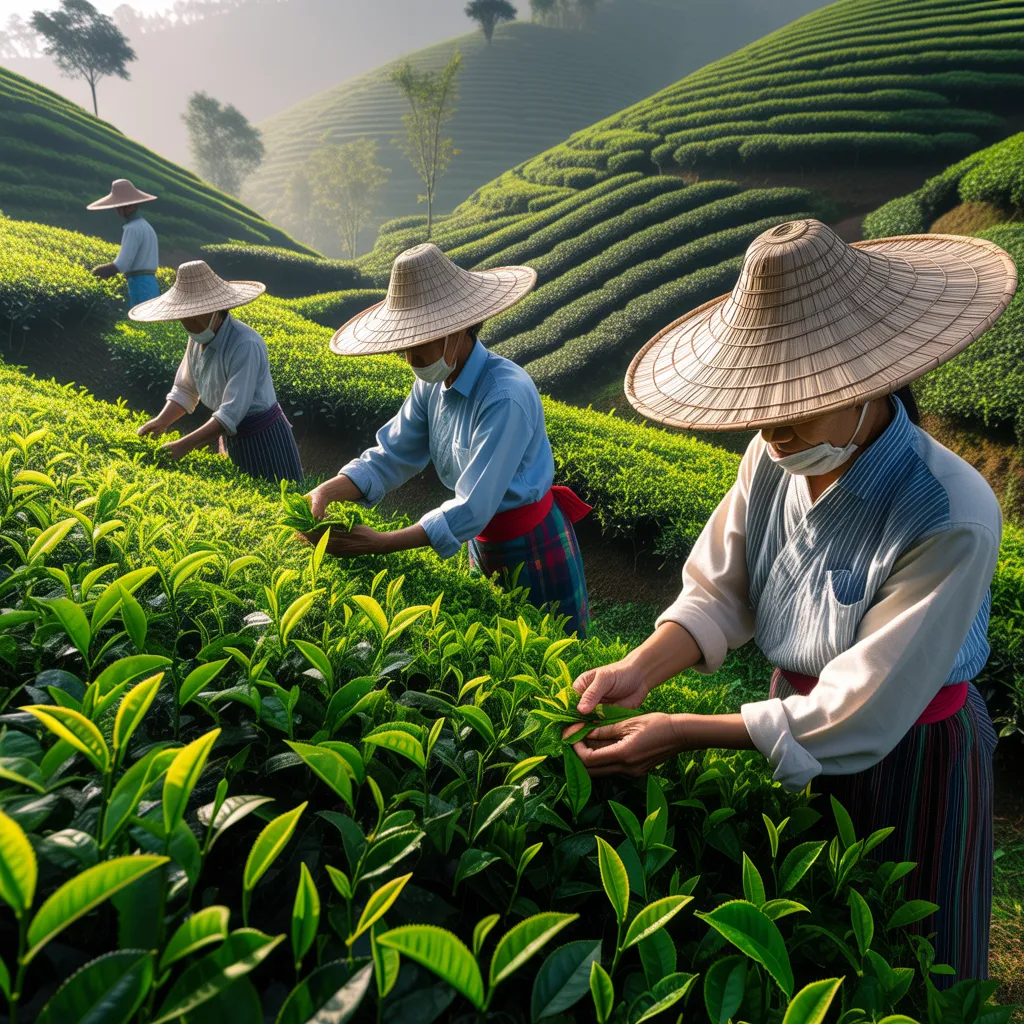
Understand the History of Fair Trade Tea
Fair Trade tea is rooted in the socioeconomic efforts aimed at improve the livelihoods of marginalized farmers. Emerging in the waning years of the 1900s, helpful tips this scheme endeavored to correct inequities in global trade, particularly in developing countries where tea is frequently harvested. The movement gathered pace as patrons became progressively conscious of the difficult realities confronted by independent cultivators, involving unfair pricing and abuse by large corporations.
Using cooperative structures, Fair Trade aimed to strengthen these farmers, guaranteeing they obtained fair compensation and assistance for sustainable farming practices. The movement also concentrated on advancing environmental responsibility, promoting organic farming and biodiversity. As knowledge increased, Fair Trade tea functioned as a representation of ethical consumption, connecting consumers directly with the origins of their beverages. By choosing Fair Trade tea, individuals contribute to a larger vision of social justice and economic equity, building a more sustainable future for tea-growing communities.
Explore Fair Trade Certification for sustainable initiatives
Grasping Fair Trade certification is fundamental to recognizing how sustainable practices are sustained within the tea industry. This certification promises that producers receive fair wages and work under safe conditions, which directly aids community development. Fair Trade standards support environmentally sustainable farming methods, reducing the use of harmful chemicals and encouraging biodiversity.
Certification further fosters transparency in the distribution network, allowing customers to trace their tea back to its origin. By adhering to these standards, farms undertake methods that safeguard natural resources and sustain local ecosystems. Additionally, Fair Trade organizations often offer learning materials and training to farmers, empowering them to enhance their farming techniques and economic stability.
Ultimately, Fair Trade certification not only boosts tea's excellence but also aligns consumer decisions to principled and sustainable ideals, making it a essential element of the tea sector's commitment to social accountability and ecological stewardship.
Explore Premium Range of Fair Trade Tea
While many tea aficionados savor the rich flavors and aromas of various brews, studying the top selections of Fair Trade tea indicates a deeper pledge to fair practices and ecological responsibility. Some favored options include Fair Trade Assam, noted for its powerful, malted character, and Fair Trade Darjeeling, often known as the "Champagne of teas" for its delicate floral notes. Another remarkable variety is Fair Trade Earl Grey, combined with bergamot, delivering a distinctive orange essence.
Furthermore, Fair Trade Green Tea, renowned for its energizing qualities and health benefits, is increasingly preferred among health-conscious consumers. Herbal blends, such as Fair Trade Chamomile and Peppermint, also excel, providing soothing and calming effects. Each of these varieties not only delivers exceptional flavor but also helps farmers and communities working for better livelihoods, making them a responsible choice for tea lovers seeking quality and ethical assurance.
Brewing Fair Trade Tea: Tips for a Ideal Cup
To brew the best cup of Fair Trade tea, careful attention is crucial, as the proper procedures can boost the tea's special notes and scents. First, the water quality is key; using filtered water delivers a fresh flavor that allows the tea's qualities to come through. The water temperature is also essential; various kinds of tea call for specific temperatures; black tea requires boiling water and green and herbal teas are brewed cooler.
Subsequently, the brewing duration must be carefully followed. Oversteeping can result in bitterness, while insufficient steeping may not extract the complete flavor spectrum. A standard recommendation is 3-5 minutes for black tea and 2-3 minutes for green tea.
Finally, utilizing the proper proportion of tea to water enhances the taste; one teaspoon of loose tea per cup is a good starting point. By adhering to these suggestions, tea lovers can fully appreciate the rich offerings of Fair Trade tea.
Green Gains of Sustainable Tea
Brewing Fair Trade tea not only elevates the tea encounter but also promotes sustainable agricultural practices that advantage the environment. Fair Trade accreditation motivates farmers to use natural cultivation techniques, which decrease the reliance on damaging chemicals and synthetic inputs. This method fosters species diversity, helping to preserve local habitats and safeguard wildlife habitats.
Moreover, Fair Trade strategies often stress soil health and water management, ensuring that tea cultivation does not exhaust essential resources. By supporting small-scale farmers, Fair Trade also promotes agroforestry, which blends tea cultivation with other crops and trees, further enhancing environmental resilience.
Furthermore, Fair Trade tea typically incorporates environmentally friendly packaging and transportation methods, lowering the carbon footprint connected to its distribution. Ultimately, selecting Fair Trade tea represents a deliberate commitment to advance a increasingly eco-friendly farming approach that respects both the planet and its inhabitants.

The Impact of Your Tea Choice in Empowering Global Communities
Opting for Fair Trade tea assists international communities by guaranteeing cultivators receive just compensation and improved working conditions. This promise confirms that tea cultivators can protect their livelihoods while allocating funds to their households and regional markets. By choosing Fair Trade tea, consumers support the establishment of important local services, including learning and health services.
Fair Trade accreditation encourages ethical practices, demanding companies to follow standards that emphasize workers' rights and environmental sustainability. As a result, growers are incentivized to cultivate high-quality tea, which not just enhances their income but also creates satisfaction in their craft.
Additionally, the direct trade partnerships formed through Fair Trade eradicate predatory middlemen, allowing farmers to engage with consumers worldwide. This clarity fosters trust and inspires a global admiration for the cultural significance of tea. Ultimately, each cup of Fair Trade tea serves as a reminder of the constructive influence individuals can have on international societies through deliberate shopping.
Frequently Common Questions
What Methods Can Help Me Find Fair Trade Tea Products When Shopping?
To discover fair trade tea products in stores, one should identify certification labels, such as Fair Trade Certified or Rainforest Alliance. Additionally, exploring brands focused on fair practices can help with purchasing responsibly.
Do Fair Trade Tea Products Offer Any Nutritional Advantages?
Fair trade tea can deliver numerous health advantages, including heart-healthy antioxidants, better digestion, and greater mental clarity. In addition, ethical procurement methods bolster eco-friendly farming, ultimately fostering a more vibrant environment and stronger community health.
Will I Source Fair Trade Tea Available in Digital Shopping Platforms?
Yes, justly traded tea is abundantly accessible in online marketplaces. Numerous retailers offer a comprehensive selection of varieties and types, ensuring consumers can easily access morally sound products that copyright both sustainability and just compensation practices.
What Influence Does Fair Trade Tea Have in Local Economic Growth?
Fair trade tea positively impacts local economies by offering farmers equitable compensation, supporting community growth, and promoting environmentally responsible agriculture. This assistance enhances livelihoods, strengthens financial security, and empowers communities to invest in education and healthcare.
What Ways Should I Employ to Keep Fair Trade Tea for Superior Freshness?
To increase quality, fair trade tea should be placed in an airtight container, away from strong odors, humidity, and light. Maintaining it in a cool, dark place helps protect its scent and taste over time.